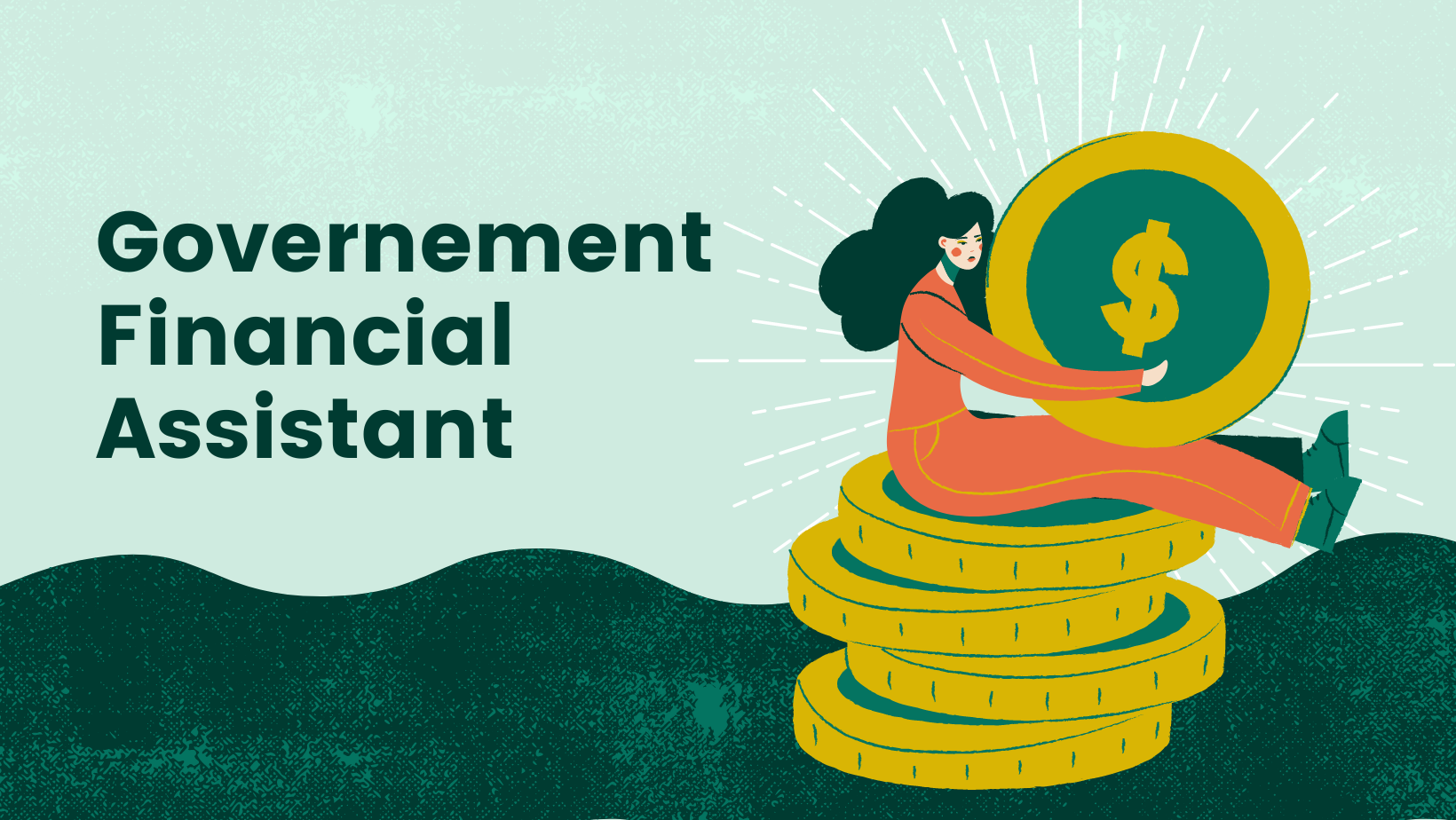
Are you struggling to make ends meet? Do you find yourself constantly worrying about your financial situation? Well, worry no more! The government has your back with six amazing programs that can provide you with the financial relief you need today!
These programs are designed to help individuals and businesses alike, and they’re often overlooked or misunderstood. As a highly skilled assistant who specializes in digital marketing, I’ve seen firsthand how these programs can make a big difference in people’s lives.
From unemployment benefits to small business loans, there are options available that can help you weather the storm. So if you’re feeling overwhelmed and unsure of what to do next, don’t worry. With the right guidance and support, you can access the financial relief you need to get back on your feet. Let’s explore these programs together and find the solutions that work for you.
Supplemental Nutrition Assistance Program (SNAP)
This program is a lifeline for millions of Americans who are struggling to put food on the table. SNAP provides monthly benefits to eligible low-income households, which can be used to purchase food at authorized retailers. The best part is that the benefits are loaded onto an EBT card, making it easy and discreet for families to purchase food without feeling stigmatized.
The Supplemental Nutrition Assistance Program has made a significant impact on reducing hunger and poverty in America. In fact, according to the USDA, SNAP lifted 2.5 million people out of poverty in 2018 alone. That’s incredible! It’s amazing to see how this program has helped so many people who may have otherwise gone hungry. The benefits can be used to purchase a wide range of nutritious foods, including fruits, vegetables, dairy products, and meat. This ensures that families have access to healthy food options and can maintain a balanced diet.
Another great thing about SNAP is that it helps support local businesses. Authorized retailers include grocery stores, farmers’ markets, and other food retailers. By using their EBT cards at these retailers, SNAP recipients are supporting the local economy and helping businesses thrive. It’s a win-win situation.
Of course, like any government program, there are always improvements that can be made to SNAP. For example, some people argue that the benefit amount should be increased to better reflect the cost of living in certain areas. Others argue that the program should be expanded to cover more households who may be just above the income threshold for eligibility. These are important discussions to have, but ultimately we cannot overlook the incredible impact that SNAP has had on millions of families across the country.
Low-Income Home Energy Assistance Program (LIHEAP)
Have you heard about the Low-Income Home Energy Assistance Program (LIHEAP)? It’s a fantastic program that provides assistance to low-income families and individuals who are struggling to pay their energy bills. LIHEAP is a government-funded program that helps ensure that everyone has access to essential heating and cooling services, regardless of their financial situation.
The Low-Income Home Energy Assistance Program is a lifeline for many families who would otherwise have to choose between paying their bills and providing basic necessities like food and shelter for their families. Imagine having to choose between staying warm during the winter or putting food on the table for your children. Thanks to LIHEAP, these difficult choices are no longer necessary.
Not only does LIHEAP provide financial assistance for paying energy bills, but it also offers energy efficiency programs to help low-income households reduce their energy consumption and save money on their bills over time. These programs may include weatherization services, home repairs, and education on energy conservation.
It’s important to spread the word about the Low-Income Home Energy Assistance Program so that more people can take advantage of its benefits. If you know someone who is struggling to pay their energy bills, let them know about LIHEAP and encourage them to apply for assistance. Together, we can ensure that everyone has access to essential energy services and can enjoy a safe, comfortable home environment. So, let’s celebrate the Low-Income Home Energy Assistance Program for being a beacon of hope for those in need!
The Paycheck Protection Program (PPP)
The Paycheck Protection Program (PPP) is designed to help small businesses keep their employees on payroll during the COVID-19 pandemic. The program provides forgivable loans to businesses that meet certain criteria, such as having 500 or fewer employees and being negatively affected by the pandemic.
These loans can be used to cover payroll costs, rent, utilities, and other expenses related to the business. The amount of the loan is based on the business’s payroll costs, and the loan can be forgiven if the business uses the funds for eligible expenses and maintains its payroll during the covered period.
One key benefit of the PPP is that it can provide quick relief to eligible businesses. The application process is streamlined, and funds can be disbursed within a matter of days. The program has been extended several times and is currently set to expire on May 31, 2021.
However, it’s important to note that there have been some issues with the program, including reports of fraud and confusion over eligibility criteria. If you’re considering applying for the PPP, it’s important to work with a trusted lender and carefully review the program requirements.
Economic Injury Disaster Loans (EIDLs)
The Economic Injury Disaster Loan (EIDL) program is another option for small businesses looking for financial relief. Unlike the PPP, EIDLs are not forgivable loans and must be repaid, but they do offer a low interest rate and flexible repayment terms. EIDLs can be used for a variety of expenses, including payroll, rent, utilities, and other operational costs. To qualify for an EIDL, a business must have suffered a substantial economic injury as a result of the pandemic.
One advantage of EIDLs is that they can be used for a broader range of expenses than PPP loans. Additionally, EIDLs are not subject to the same eligibility criteria as PPP loans, so businesses that don’t meet the requirements for PPP may still be eligible for an EIDL. However, the application process for EIDLs can be more complex and time-consuming than the PPP, and funds may not be disbursed as quickly. It’s important to carefully review the program requirements and work with a trusted lender to ensure a successful application.
Unemployment Insurance (UI)
Unemployment Insurance (UI) is a government program that provides financial assistance to individuals who have lost their jobs through no fault of their own. During the pandemic, the federal government has expanded UI benefits to include additional weeks of coverage and an additional $300 per week in benefits. Eligibility requirements vary by state, but generally, individuals must have been employed and lost their job through no fault of their own, be actively seeking work, and meet other program criteria.
One advantage of UI is that it can provide financial relief to individuals who may not be eligible for other types of assistance, such as small business loans or stimulus checks. However, the program has faced significant challenges during the pandemic, including delays in processing claims and issues with fraud. If you’re considering applying for UI, it’s important to carefully review the eligibility requirements and work with your state’s unemployment office to ensure a successful application.
Small Business Administration (SBA) Debt Relief
The Small Business Administration (SBA) Debt Relief program is designed to provide financial assistance to small businesses that have existing SBA loans. Under the program, the SBA will pay six months of principal, interest, and any associated fees for qualifying loans. The program is available for existing SBA 7(a), 504, and Microloans, and it can provide significant relief to businesses struggling to meet their loan obligations during the pandemic.
One key benefit of the SBA Debt Relief program is that it can provide immediate relief to businesses with existing SBA loans. However, it’s important to note that the program does not apply to new loans, and not all SBA loans are eligible. If you have an existing SBA loan, it’s worth exploring the program requirements and working with your lender to see if you qualify.
State and Local Government Assistance Programs
In addition to federal programs, many state and local governments have implemented their own assistance programs to help individuals and businesses during the pandemic. These programs can vary widely depending on the state and locality, but they may include grants, loans, and other forms of financial assistance. To find out more about the programs available in your area, check with your state and local government offices or visit their websites.
One advantage of state and local assistance programs is that they may be more tailored to the needs of local businesses and individuals. However, it’s important to carefully review the program requirements and work with a trusted advisor to ensure a successful application.
Other Federal Assistance Programs
In addition to the programs outlined above, there are a variety of other federal assistance programs that may provide financial relief during the pandemic. These programs include stimulus checks, tax credits, and other forms of financial assistance. To find out more about these programs, visit the federal government’s website or speak with a financial advisor.
How to apply for government financial relief programs
Do you want to apply for government financial relief program to make ends meet due to the current economic situation? Don’t worry, there is hope! The government has initiated several financial relief programs to help citizens who are facing financial difficulties. The best part is that these programs are designed to assist people from all walks of life, whether you’re a small business owner or an individual who has lost their job
To take advantage of these programs, the first step is to determine which ones you’re eligible for. There are a variety of programs available, each with its own set of requirements. Some programs are specifically for small business owners, while others are designed for individuals who have lost their jobs. The eligibility criteria can differ from program to program, so it’s important to do your research and find out which ones you qualify for.
Once you’ve determined which programs you’re eligible for, the next step is to apply. Applying for government financial relief programs is a simple process that can be done online or through designated government agencies. The application process typically involves providing basic information about yourself or your business, as well as proof of income or loss of income.
It’s important to note that the application process can take some time, and there may be a waiting period before you receive any funds. However, it’s worth the effort to apply as these programs can provide much-needed financial assistance during tough times.
Common mistakes to avoid when applying for relief programs
When applying for government financial relief programs, it’s important to avoid common mistakes that can lead to a rejected application.
Some of the most common mistakes include failing to provide all necessary documentation, submitting incomplete or inaccurate applications, and not following up on the status of the application.
To avoid these mistakes, work with a trusted lender or advisor and carefully review the program requirements before submitting your application.
Recommended Read: How To Stay Financially Savvy Without Sacrificing Fun
Conclusion and final thoughts
If you’re struggling to make ends meet during the pandemic, there are government programs available that can provide financial relief. From the Paycheck Protection Program to state and local assistance programs, there are options available to help you weather the storm.
However, it’s important to carefully review the eligibility requirements and work with a trusted advisor to ensure a successful application. With the right guidance and support, you can access the financial relief you need to get back on your feet. So don’t wait – start exploring your options today.